Same day gardeners in Herne Hill for emergency tree work
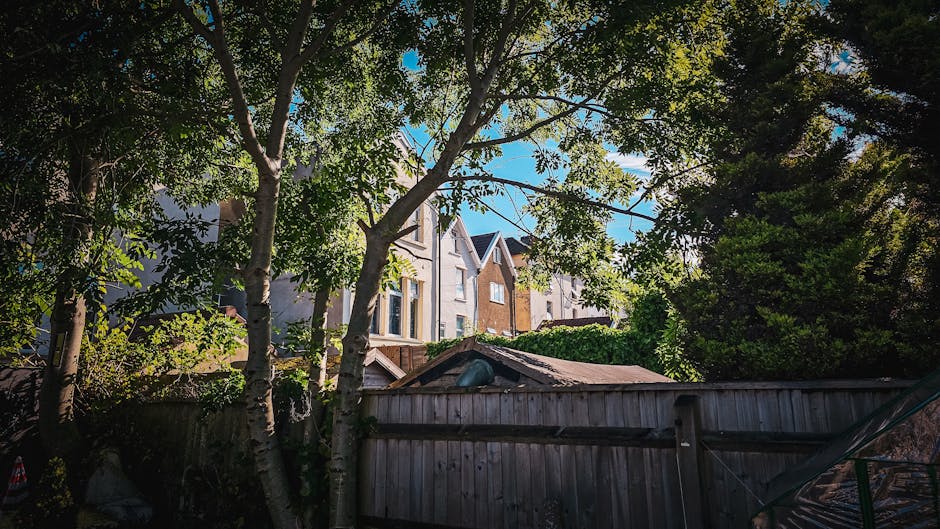
When a tree suddenly becomes a problem, you do not really have the luxury of waiting until next week. A cracked limb after a windy night, a branch leaning over a path, or a heavy bough brushing a roof can turn a normal garden into a stressful one very quickly. That is where Same day gardeners in Herne Hill for emergency tree work come in: fast, practical help for urgent situations that need attention now, not later.
This guide explains what same-day emergency tree work usually involves, how it works in real life, what to check before booking, and how to reduce risk while you wait for help. It also covers sensible expectations around safety, access, and follow-up work, because let's face it, an emergency is rarely tidy. The aim here is simple: help you make calm, informed decisions when the tree is the last thing being calm.
Why Same day gardeners in Herne Hill for emergency tree work Matters
Emergency tree issues are a mix of safety risk, property risk, and plain old inconvenience. A tree does not need to fall over completely to become urgent. Sometimes the real problem is a partially snapped branch hanging in the canopy, roots lifting after strong rain, or a trunk that has shifted just enough to make everyone a bit uneasy.
In Herne Hill, where gardens can be close to fences, rear access can be narrow, and neighbouring properties sit very near each other, a damaged tree can affect more than one household. A branch overhanging a shared boundary may block access. A fallen limb may press on a shed roof, crush planting, or make a patio unsafe. In some cases, the first sign is just a dull crack overhead, which is enough to make you stop and look up. Wise move.
Same-day help matters because time is part of the risk. The longer a damaged tree sits untreated, the more chance there is of further breakage, water ingress, blocked paths, or injury. Prompt action can often reduce the job from a major incident to a manageable one. That is the difference between controlled clearance and a much bigger, messier call-out.
Practical takeaway: if the tree looks unstable, is touching a building, or is threatening a walkway, treat it as urgent and get professional advice as soon as possible.
For homeowners who also need broader garden support after the immediate problem is dealt with, it can help to look at the full range of garden and grounds services, especially if storm damage has left the whole space feeling a bit battered.
How Same day gardeners in Herne Hill for emergency tree work Works
Most emergency tree work follows a fairly similar pattern, although the exact response depends on the severity of the issue, access, weather, and whether the tree is still actively moving. The process is usually faster than a standard booking, but not careless. Good emergency work is still assessed work.
1. Initial call or enquiry
You explain what happened, where the tree is, and what the immediate concern is. The more specific you are, the better. A branch hanging over a conservatory is very different from a tree leaning in a back garden with no obstruction. If you can describe whether the tree is blocking access, damaged by wind, or showing signs of root movement, that helps triage the job quickly.
2. Risk assessment
The responder will usually want to establish whether the tree can be made safe quickly, whether the area needs to be avoided, and whether specialist equipment or more than one operative may be required. This is where honesty helps. If there is visible structural damage, do not downplay it because you do not want to sound dramatic. Better to be a little over-cautious than under.
3. Attendance and on-site inspection
Once on site, the team will check the condition of the tree, the likely failure point, the location of any hazards, and the safest way to reduce the danger. In some cases, the first task is just to remove a dangerous hanging limb or section of debris. In others, the work may involve careful dismantling in stages.
4. Emergency making-safe
The immediate goal is usually to make the space safe, not to complete every possible task on the same visit. That might mean cutting back a broken limb, clearing a path, isolating a hazardous section, or removing a fallen tree from a driveway. If the job needs follow-up work, that can be arranged once the risk has been stabilised.
5. Clearance and next steps
After the urgent tree work, you may need branch removal, stump advice, boundary tidy-up, or broader garden clearance. If the storm has left twigs, leaves, and broken material across the space, a related service such as garden clearance support can be useful. Sometimes the tree is only part of the chaos.
Key Benefits and Practical Advantages
The obvious benefit is speed, but that is only part of it. Same-day emergency tree work does more than shorten the wait. It can reduce exposure to danger, prevent avoidable damage, and help you regain control over a stressful situation.
- Faster safety restoration: urgent hazards are dealt with before they escalate.
- Less property damage: early intervention can protect roofs, fences, paving, and parked vehicles.
- Reduced neighbour disputes: quick action helps when a tree affects shared boundaries or access.
- Better decision-making: an experienced gardener or tree worker can tell you what needs attention now and what can wait.
- Cleaner handover to follow-up work: once the emergency is contained, you can plan proper pruning, removal, or restoration.
There is also a psychological benefit people often underestimate. If you have spent a morning hearing branches creak in the wind, or staring at a limb hanging at a funny angle, having someone turn up the same day can be a huge relief. Not a luxury. A relief.
For households already planning seasonal upkeep, a quick emergency response can be followed by routine care through regular garden maintenance so the same sort of problem is less likely to sneak up again.
Who This Is For and When It Makes Sense
This service is not just for dramatic tree falls. It is for anyone dealing with an urgent, unsafe, or fast-changing tree issue. In practice, that includes homeowners, landlords, tenants with permission, property managers, and sometimes small businesses with rear garden or courtyard trees.
It makes sense when the tree is:
- partially fallen or leaning after bad weather
- dropping large limbs or visibly split
- blocking a path, drive, gate, or exit
- touching a roof, wall, fence, or utility-related structure
- creating a risk to children, pets, neighbours, or visitors
- causing urgent access problems after a storm
Sometimes the call is not about the tree itself, but about the fallout around it. Broken branches can scatter across lawns, beds, and paving. If the whole garden has taken a hit, work may overlap with broader tidy-up tasks such as lawn care and cutting back overgrowth, especially when long grass and debris make access awkward.
If you are unsure whether the issue is truly urgent, ask yourself two questions: could someone be hurt if this worsened, and could the situation change before tomorrow? If the answer to either is yes, same-day support is usually worth pursuing.
Step-by-Step Guidance
Here is a sensible way to handle an emergency tree situation without making it worse. No grand drama, just practical steps.
- Keep people away from the danger zone. Put distance between the damaged tree and anyone using the garden, driveway, or rear access. If a branch is hanging, do not stand under it for a closer look.
- Check for immediate structural risk. Look from a safe distance for leaning trunks, cracked forks, lifted roots, or contact with the house. If anything looks unstable, avoid touching it.
- Contact a local same-day gardener or tree work provider. Explain what has happened in plain language. Mention wind, rain, visible cracks, access issues, and whether anything is resting on a building.
- Share access details. Narrow side passage? Shared gate? Locked rear alley? That all matters. A team that knows access conditions can arrive better prepared.
- Take a few photos from a safe position. This can help with assessment and later insurance discussions if needed. Keep the photos wide and clear. No hero shots from beneath the branch, please.
- Prepare the area if it is safe to do so. Move cars, garden furniture, and loose items only if doing so does not expose you to risk. If the tree is close to power lines or major structural damage, step back and leave it.
- Let the team decide the safe method. Emergency tree work may involve sectional cutting, lowering branches, or clearing debris first. Trust the sequence. The visible fix is not always the first step.
- Ask what remains after the emergency is made safe. You may need follow-up pruning, stump work, or garden tidying. Better to understand that now than be surprised later.
A small but useful point: if a tree is damaged near a boundary, keep communication open with neighbours. A calm, quick heads-up can prevent a lot of awkwardness. In tight London gardens, that really matters.
Expert Tips for Better Results
After enough urgent call-outs, a few patterns become obvious. The people who get the best outcome tend to do a handful of simple things well.
- Describe the problem, not just the tree. "Big tree in garden" is less useful than "large limb hanging over the shed after last night's wind."
- Prioritise making safe first, tidy second. A perfect-looking finish is nice, but the first job is to remove the hazard.
- Ask about insurance and public liability cover. You want reassurance that the work is being handled responsibly. Our insurance and safety information is a good place to understand the sort of checks a careful provider should be comfortable discussing.
- Be realistic about timing. Same-day does not always mean "in an hour." It often means prioritised attendance within the day, depending on safety and route planning.
- Keep the site clear. Dogs, bikes, bins, and garden clutter can slow urgent work down more than you might expect.
Another tip: if you already know the tree has been weakening over time, say so. Repeated branch drop, fungus at the base, or seasonal dieback can all change the assessment. A good operator will use that background information rather than brushing it aside.
And truth be told, a tidy access path makes people happier than you'd think. Nobody wants to wrestle a ladder round three plant pots and a hose reel in a panic.
Common Mistakes to Avoid
Emergency situations make people act fast, and fast is not always wrong. But there are a few common mistakes worth avoiding.
- Trying to cut the branch yourself. A partially broken limb can move in unpredictable ways. It can be dangerous even if it looks small from the ground.
- Standing under a damaged canopy. It sounds obvious, yet people do this while taking photos or trying to judge the angle. Not worth it.
- Waiting for "the weather to calm down" if the tree is already unstable. If there is an active hazard, waiting can make things worse.
- Assuming all gardeners do emergency tree work. Some do routine trimming and maintenance only. Ask clearly whether urgent tree removal or make-safe work is part of what they offer.
- Booking only on price. With emergency tree work, the cheapest option is rarely the smartest if safety, access, or proper clearance is involved.
- Forgetting about follow-up waste removal. Branches, chips, and sawdust can take over a garden quickly. Ask how the waste will be handled before work starts.
One more thing: do not confuse a visible problem with the full problem. A snapped top may look manageable, but the real issue could be hidden stress in the trunk or root plate. This is where experienced judgement counts.
Tools, Resources and Recommendations
You do not need to own specialist equipment to handle an emergency tree issue, but there are a few practical things that make the process smoother.
Useful items to have to hand
- a mobile phone with a few clear photos
- basic site notes, such as access routes or locked gates
- vehicle keys if a car needs moving
- details of any known boundary issues or recent storm damage
- a safe indoor space to keep people and pets away from the area
Helpful service areas to think about
If the emergency sits alongside wider garden work, a provider may suggest combining the urgent visit with later scheduled tasks. For example, hedge lines that were already overgrown can be brought back into shape through hedge trimming, while longer-term planting and layout issues may be better dealt with through landscaping support or landscape gardening.
That said, do not overload an emergency call with a wish list. In an urgent situation, keep the focus on safety first. The rest can follow once the garden is no longer trying to stage a rebellion.
Service pages worth reviewing
If you want to understand the wider scope of help available after urgent tree work, it can be useful to read about tree lopping and removal as well as the company's service overview. Those pages help you see where emergency make-safe work ends and planned tree management begins.
Law, Compliance, Standards, or Best Practice
Emergency tree work often overlaps with safety, property responsibility, and neighbour relations, so a careful approach matters. In the UK, the exact rules and permissions can vary depending on the tree, the site, and whether protections apply. If a tree might be subject to preservation controls, or if the work affects a boundary or shared access, it is sensible to pause and confirm the correct route before any non-urgent removal.
That said, genuine emergencies are often dealt with first on safety grounds, then followed up properly. Best practice in this context usually includes:
- carrying out a visual risk assessment before any cutting begins
- keeping unauthorised people out of the work zone
- using the least disruptive method that makes the site safe
- documenting what was done and what remains to be addressed
- handling waste responsibly and keeping the site clear
Good providers should also be able to explain how they approach health and safety, access planning, and waste removal. If you want that reassurance in advance, the company's health and safety policy and recycling and sustainability information give a sense of how a responsible service thinks about the job beyond the immediate cut.
Another practical point: emergency work should never be treated as an excuse for sloppy workmanship. Safe, controlled pruning or dismantling still matters, because a rushed fix that leaves an unstable stub or damaged fence behind is not really a fix at all.
Options, Methods, or Comparison Table
Not every urgent tree problem needs the same response. The best method depends on the level of danger, the size of the tree, and what the tree is affecting. Here is a simple comparison to help you think it through.
| Situation | Likely response | Best for | Typical follow-up |
|---|---|---|---|
| Small broken branch over a path | Rapid make-safe and debris removal | Quick safety restoration | Light pruning, tidy-up, monitor the tree |
| Large limb resting on a shed roof | Controlled section cutting and careful lowering | Property protection | Roof inspection, waste removal, possible crown work |
| Whole tree leaning after a storm | Urgent risk assessment and possible sectional dismantle | High-risk situations | Further removal or replanting, depending on condition |
| Blocked access from fallen debris | Clearance first, then tree assessment | Restoring access | Garden clearance and follow-up maintenance |
In reality, the line between methods is often a bit blurry. A job may start as debris clearance and quickly become a structural tree issue once the canopy is examined. That is normal. Trees are annoyingly good at hiding the real problem until someone gets a proper look.
Case Study or Real-World Example
Here is a typical scenario. A Herne Hill resident wakes up after a windy night and notices a heavy branch from a rear-garden tree hanging across the side return. It is touching a fence, partly blocking access, and making a scraping sound whenever the wind picks up. The branch is not fully detached, so it is tempting to leave it until later. But later is exactly when the wind gets stronger.
They call for same-day help, explain the access route, and send a couple of photos taken from the patio door. The team arrives with the right equipment, isolates the area, and makes the branch safe by cutting it in controlled sections rather than trying to yank it free. Once the hazard is removed, they clear the debris, check the remaining structure of the tree, and explain that the tree will need monitored follow-up because the break revealed some weakness in the limb union.
The big win here was not just speed. It was the combination of speed and judgement. The branch was dealt with before it had a chance to fall onto the path or fence. The resident also avoided guessing at the fix, which, to be fair, is where a lot of DIY disasters begin.
Afterwards, the garden needed a broader tidy-up, and because there was leaf litter, snapped twigs, and a bit of soggy debris everywhere, the resident arranged a separate visit for routine care through garden maintenance support. That kept the space manageable again instead of letting one emergency turn into a month-long mess.
Practical Checklist
Use this checklist if you are dealing with urgent tree damage in Herne Hill. It is simple on purpose.
- Keep everyone away from the damaged tree.
- Do not stand under hanging branches.
- Check for visible damage from a safe distance only.
- Take a few clear photos if it is safe to do so.
- Note whether the tree is affecting a roof, fence, drive, or path.
- Tell the provider about narrow access, locked gates, or neighbours' boundaries.
- Ask whether the problem can be made safe the same day.
- Confirm whether debris removal is included or arranged separately.
- Ask about insurance, safety procedures, and follow-up recommendations.
- Arrange routine maintenance afterwards if the tree remains in place.
Fast reminder: if the tree is actively moving, splitting, or close to collapse, treat it as urgent and prioritise safety over everything else.
Conclusion
Same-day emergency tree work is about restoring safety, reducing damage, and giving you back a sense of control when a tree issue has arrived without warning. In Herne Hill, where gardens can be tight, access can be awkward, and buildings sit close to vegetation, a quick and sensible response can make a real difference.
The best approach is usually straightforward: keep people away from the danger, describe the issue clearly, choose a provider that understands urgent make-safe work, and be realistic about what can be done on the day. Then deal with the tidy-up, the follow-up pruning, or the broader garden work once the immediate risk has passed.
If you are comparing options, look for calm communication, practical assessment, and a clear plan for what happens after the emergency is under control. That is what good service looks like. Quiet competence, really. And in a stressful moment, that counts for a lot.
Get a free quote today and see how much you can save.
For more about the people behind the service, you can also read the about us page or get in touch through the contact page when you are ready to talk through the situation.
Frequently Asked Questions
What counts as an emergency tree job?
An emergency tree job is usually any situation where a tree or large branch is unsafe, unstable, or blocking access and needs attention quickly. That includes storm damage, a split limb, a leaning tree, or debris that is making a path or driveway unusable.
Can same day gardeners in Herne Hill for emergency tree work deal with fallen branches?
Yes, in many cases they can. Fallen branches are often one of the most common urgent call-outs. The main question is whether the branch is simply debris or part of a larger unstable structure that needs careful removal.
Should I cut a dangerous branch myself if it looks easy?
Usually no. What looks easy from the ground can be under tension or supporting other damaged limbs. A branch can move suddenly, especially after wind or partial breakage. It is safer to wait for a professional assessment.
How quickly can same-day help usually arrive?
It depends on workload, location, traffic, and how serious the issue is. Same-day usually means prioritised attendance on the same day rather than an exact one-hour promise. Good providers will be clear about timing rather than guessing.
Will emergency tree work include full tree removal?
Not always. The first job is often to make the site safe. Full removal may be recommended afterwards if the tree is too damaged, but in some cases only a section needs to come down and the rest can be retained safely.
What should I tell the gardener before they arrive?
Tell them what happened, where the tree is, what it is affecting, and whether access is easy or restricted. Mention if the tree is near a roof, fence, shed, or boundary. Photos taken from a safe distance can also help.
Do I need to move my car or garden furniture?
If it can be done safely, yes. Clearing access can save time and reduce risk. But do not move anything if doing so would put you near a falling branch or unstable tree. Safety first, always.
What if the tree is near a neighbour's property?
That is common in Herne Hill and across London. Keep neighbours informed where appropriate, especially if access or boundary issues are involved. A calm heads-up is often enough. If the tree affects both properties, the response may need to be coordinated.
How much does emergency tree work cost?
Costs vary depending on urgency, access, tree size, equipment needed, and how much debris must be removed. It is usually better to ask for a clear quote after the situation has been described rather than assume it will be a standard visit.
Will the team remove all the debris?
Often yes, but not always as part of the same emergency step. Some jobs focus first on making the tree safe, with debris removal or full site tidy-up arranged immediately after. It is sensible to confirm this before work begins.
What happens after the emergency is dealt with?
Once the immediate hazard is under control, you may need follow-up pruning, tree removal, stump advice, or wider garden tidy-up. If the damage has spread beyond the tree itself, you may also need broader support such as landscaping or garden clearance.
How do I know if I should wait or call now?
If the tree is leaning, splitting, dropping large limbs, or affecting a structure or access point, call now. If it is clearly stable and the issue is minor, it may be suitable for planned maintenance. When in doubt, describe the situation and let a professional judge the urgency.