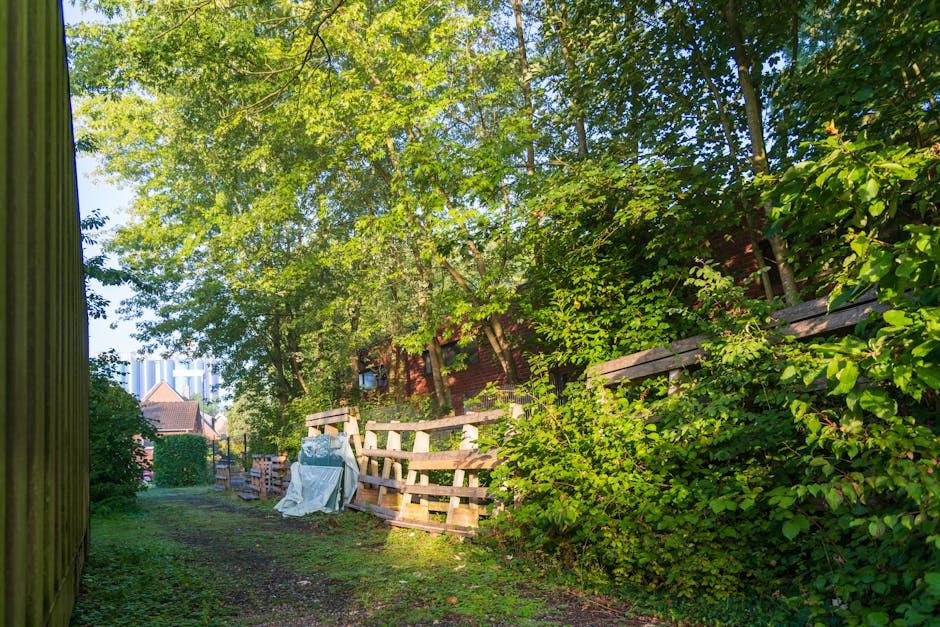
Coldharbour Lane gardeners for garden clearance SE24: a practical guide for tidy, workable gardens
If you're looking for Coldharbour Lane gardeners for garden clearance SE24, chances are the garden has started to feel like one more thing hanging over you. A few overgrown beds, a stubborn pile of cuttings, maybe an old shed corner collecting bits and pieces... and suddenly it's not just untidy, it's becoming hard to use. Truth be told, that happens to a lot of gardens in SE24, especially where time is short and the weather has been doing its usual London thing.
This guide explains what garden clearance actually involves, when it makes sense to bring in local gardeners, how the process usually works, and what a good result should look like. You'll also find practical advice on avoiding common mistakes, a comparison of approaches, and a simple checklist you can use before booking anything. If you want the quick version: good clearance is not just about making things look neat. It's about removing the right waste safely, protecting what you want to keep, and leaving the space ready for whatever comes next.
Why Coldharbour Lane gardeners for garden clearance SE24 Matters
Garden clearance sounds simple until you are standing in the middle of it. A heap of brambles is one thing; a mix of rubble, broken planters, tangled ivy, wet leaves, old timber, and a half-collapsed compost pile is another. Local gardeners in SE24 bring something useful here: not just labour, but judgement. They can look at a space and decide what needs cutting back, what should be removed, what should be left alone, and what could turn into a bigger issue if ignored.
In a place like Coldharbour Lane, where gardens often sit behind terraced homes or compact outdoor spaces, clearance work has a few extra wrinkles. Access may be tight. Neighbours are close. Waste has to be moved carefully. And if there's decking, fencing, mature shrubs or a tired lawn in the mix, the work needs a plan rather than brute force. That's where a thoughtful clearance service matters. It saves time, yes, but it also saves you from accidental damage and the awkward "oh no, that was the plant I meant to keep" moment. We've all had one of those. Or something close.
There's also the simple mental benefit. A cleared garden feels lighter. It's easier to walk through, easier to maintain, and easier to imagine as an actual usable space again. That might mean family seating, a safer play area, a cleaner border for planting, or just not having to dodge soggy cuttings every time you go outside.
How Coldharbour Lane gardeners for garden clearance SE24 Works
A good clearance job usually begins with a look at the site. This can be a quick walk-around or a more detailed discussion if the garden is heavily overgrown, has access limitations, or includes trees, decking, or fragile features. The point is to understand the scope before anyone starts cutting. Sounds obvious, but it's the bit that prevents surprises later.
After that, the work is usually broken into stages:
- Assessment - identifying what needs clearing, what can be pruned, and what should stay in place.
- Removal plan - deciding how waste will be collected, separated, and moved off site.
- Cut-back and clearance - removing overgrowth, dead material, leaves, debris, and unwanted garden junk.
- Sorting and tidy-up - separating green waste from other materials and making the site safe and workable.
- Final finish - leaving the area neat, with clear access and a visible improvement in shape and structure.
Some gardens need a light clearance; others need a proper reset. The difference is usually obvious once the work starts. A light clearance might focus on seasonal growth, surface clutter and fallen material. A heavy clearance may involve thick bramble growth, root-level cut-back, and removal of multiple waste types. If the area has mature hedges or small trees that are encroaching, it may also make sense to combine the job with hedge trimming or even tree lopping and removal.
A lot of people ask whether clearance is the same as maintenance. Not really. Clearance is the reset. Maintenance is the follow-through. For ongoing tidiness, it often helps to plan regular visits such as garden maintenance or seasonal mowing through lawn mowing. That combination tends to keep the garden from sliding back into chaos two weeks later. Because, let's face it, gardens are excellent at getting messy again.
Key Benefits and Practical Advantages
There are obvious benefits to garden clearance, and a few that only become clear once the job is done.
- Better access - paths, side returns, gates and seating areas become usable again.
- Reduced risk - less trip hazard, fewer hidden sharp objects, and less chance of pests nesting in clutter.
- Healthier planting space - clear beds and borders usually make it easier to see what is thriving and what is struggling.
- Improved appearance - even a rough garden looks calmer once the heavy material has gone.
- Easier future work - once the garden is cleared, landscaping and replanting become far more straightforward.
There is also a practical money angle. A well-cleared garden often costs less to maintain afterwards than one that has been left to spiral. That is not magic; it is simply easier to keep on top of smaller jobs than to handle one giant rescue mission every year. If you are trying to plan budgets sensibly, a look at pricing and quotes can help you understand how work is usually scoped.
Another plus is sustainability. Good clearances do not just dump everything together and call it a day. Waste should be sorted sensibly, with green material handled separately where possible. If that matters to you, it should, then it is worth asking how the team approaches recycling and sustainability. That's especially helpful if the garden has a lot of cuttings, soil, old timber or mixed debris.
Expert summary: the best garden clearance jobs are not the ones that look dramatic in the first hour. They're the ones that leave a garden safe, accessible, and ready for the next stage without damaging the bits you actually wanted to keep.
Who This Is For and When It Makes Sense
Garden clearance is not only for neglected spaces. Quite a few ordinary situations make it worthwhile:
- You have moved into a property and the garden needs a fresh start.
- A rental property needs tidying before new tenants move in.
- A family garden has become cluttered after months of busy weather and busy life.
- You want to prepare the space for landscaping, decking, planting or paving.
- Storm debris, fallen branches or leaf build-up have made the garden awkward to use.
It also makes sense if you simply do not have the time, equipment, or back strength for it. No shame in that. Garden clearance can be hard physical work, especially when the site is wet, uneven, or packed tightly between structures. If you have ever tried dragging thorny cuttings through a narrow side passage on a drizzly afternoon, you know exactly what I mean.
For people planning larger changes, clearance is often the first sensible step before any redesign. Once the space is open, it becomes much easier to decide whether you need landscaping, a new lawn, or a more structured layout. In those cases, browsing landscape gardening or landscaping can help you think about the next stage rather than just the tidy-up.
Step-by-Step Guidance
If you are arranging clearance for the first time, here is the simplest way to think about it.
- Walk the garden and decide your priorities. Identify what must go, what should stay, and what looks uncertain.
- Take a few clear photos. This helps describe the job accurately and reduces misunderstandings.
- Check access points. Gates, alleys and steps matter more than people expect.
- Group obvious waste if you can. Keep green waste separate from general clutter where practical.
- Ask about tricky items. Old sleepers, broken pots, rubble, or hazardous material may need special handling.
- Confirm what finish you want. A rough clearance, a full tidy, or a more detailed reset are not the same thing.
- Plan the follow-up. A clearance today can turn into an easier maintenance routine tomorrow.
One useful habit is to ask for a clear breakdown of what is included. Will the team cut back shrubs only, or also remove waste? Will they rake and leave the area ready for inspection? Is any light pruning included, or is that treated separately? Those details matter because they shape the final result, and they shape the quote too.
If you are booking in a broader service package, it can help to look at the company's wider services overview so you understand how clearance fits alongside upkeep, cutting, and larger improvement work.
Expert Tips for Better Results
A few small choices can make a big difference to the outcome. Honestly, this is where many jobs go from "fine" to "really tidy."
- Be specific about the result you want. If you want the garden cleared but not stripped bare, say so plainly.
- Mark plants and features you want preserved. A simple ribbon or tag can prevent avoidable mistakes.
- Start with the worst areas first. Once the heavy growth is gone, the whole space tends to feel more manageable.
- Think in zones. Front access, side return, borders, and main garden are often handled differently.
- Ask about waste separation. It can speed things up and improve recycling outcomes.
One bit of real-world advice: if the weather has been wet, expect the work to be messier and slower. That is not a problem, just a reality. Damp soil clings, cuttings sag, and bags fill faster than you think. A good team will work with that, but it helps to be realistic from the outset.
Also, if your garden includes hard surfaces, timber features, or a tired deck, clearance can uncover repairs that were hidden under all the growth. Sometimes that is a nuisance. Sometimes it is a relief. Either way, it is better to know sooner. If needed, there are related services such as decking services that can help once the area is cleared.
Common Mistakes to Avoid
Garden clearance goes wrong in predictable ways. The good news is, most of them are easy to avoid if you know what to look for.
- Trying to do too much at once. A full-overhaul plan sounds ambitious, but it often leads to half-finished work.
- Not defining the scope. If "clear the garden" means something different to you than it does to the gardener, the result may disappoint.
- Forgetting about hidden waste. Brambles often conceal broken glass, wire, rotten timber, or old fixings.
- Ignoring access issues. A narrow gate or steep steps can change the amount of labour involved quite a lot.
- Skipping follow-up maintenance. A cleared garden can slip back quickly if nothing is scheduled afterwards.
There is one other thing people often miss: clearance is not always just "green waste removal." A proper job may include tidying borders, removing dead growth, cutting back overhang, and preparing the site for future use. That distinction matters when comparing quotes.
And here's a small one-liner for honesty's sake: a garden left untended for six months can hide more than a few surprises. Usually the garden knows before you do.
Tools, Resources and Recommendations
You do not need a van full of specialist kit to understand the process, but it helps to know what professional gardeners often use. The right tools make the job safer and cleaner, especially in compact SE24 gardens where every trip back and forth counts.
| Tool or approach | Best used for | Why it helps |
|---|---|---|
| Hand tools and loppers | Light pruning, cut-back and shaping | More control around plants and borders |
| Rakes, sacks and tarps | Collecting leaves, clippings and loose debris | Keeps the area orderly during work |
| Wheelbarrows and loaders | Moving bulky waste | Reduces strain and speeds up removal |
| Protective gear | Handling thorny, dirty or unstable material | Improves safety and comfort |
| Follow-up maintenance plan | Keeping the garden manageable | Stops the same problems returning too quickly |
For homeowners who want clarity before they commit, it is worth checking how the business handles insurance and safety and whether their working practices are explained clearly in a health and safety policy. That does not sound glamorous, I know, but it is exactly the sort of detail that separates a tidy outfit from a risky one.
You may also want to understand how payments are handled, especially for larger clearance work where a deposit or staged payment is sometimes discussed. A transparent approach to payment and security is a good sign.
Law, Compliance, Standards, or Best Practice
Garden clearance is not usually complicated from a legal point of view, but there are still sensible best practices to follow. In the UK, garden waste should be handled responsibly, and any material that may be hazardous, sharp, or contaminated needs extra care. The main thing is simple: do not assume every pile of garden junk is the same.
If trees are involved, or branches are close to structures, a cautious approach is important. Heavy cutting, removal near fences, and work around shared boundaries should be discussed properly before anything is removed. If the job could affect neighbouring property, it is better to pause and check than to carry on and hope for the best. That rarely ends well.
Good practice also means:
- using appropriate protective equipment;
- checking access before lifting heavy waste;
- separating green waste where possible;
- avoiding unnecessary damage to roots, stems and structures;
- leaving paths and exits clear throughout the job.
For customers, the most important compliance question is usually not a technical one. It is whether the team works carefully, communicates clearly, and behaves responsibly on site. If that sounds basic, well, it is. But basic done properly is surprisingly rare.
You can also look at company-facing trust pages such as about us if you want a clearer sense of who is doing the work and how they present their standards.
Options, Methods, or Comparison Table
There is more than one way to tackle a messy garden. The right choice depends on the size of the job, the state of the space, and how quickly you want results.
| Approach | Best for | Pros | Trade-offs |
|---|---|---|---|
| DIY clearance | Small, manageable gardens | Low direct cost, flexible timing | Time-consuming, physically demanding, waste handling can be awkward |
| Partial professional help | Mixed jobs where you can handle some work yourself | Lower cost than a full service, still gets hard parts done | Needs clear communication on what is included |
| Full garden clearance service | Overgrown, cluttered, or time-sensitive gardens | Fast, thorough, safer for heavy or awkward work | Higher upfront cost than doing it yourself |
For many SE24 households, the sweet spot is somewhere between DIY and full intervention. Maybe you clear the obvious clutter and let the professionals handle the brambles, heavy lifting, and disposal. That can work well, especially if you want to keep costs in check without spending the whole weekend wrestling a root ball in the rain.
If the space is likely to need a longer-term plan, it is worth thinking beyond the clearance itself. A cleaned-up garden can be maintained with regular garden maintenance or reshaped as part of a wider design project. The trick is to avoid solving only the visible problem and ignoring the next one.
Case Study or Real-World Example
Here is a realistic example. A narrow rear garden off Coldharbour Lane has been left alone through winter and spring. By the time someone gets round to it, the path is buried under leaves, the borders are full of self-seeded growth, and an old planter has tipped over near the fence. There is no one dramatic issue. Just layers.
A sensible clearance job in that situation would start by making the path usable again, then move through the borders in sections. Dead material would come out first, followed by awkward overgrowth around the edges. The team would separate green waste from anything non-organic, keep an eye out for hidden debris, and check that no useful plants were stripped by accident. If a shrub had got too large for the space, it might be trimmed rather than removed outright.
By the end, the owner would not necessarily have a "finished" garden. That is not the point. But they would have a clear, safe, open space with enough structure to decide on the next step. Maybe planting. Maybe a new lawn. Maybe just a proper tidy-up routine from there on. Sometimes that before-and-after contrast is the whole win. A small space can feel twice as usable once the clutter is gone.
Practical Checklist
Use this before you book or begin any garden clearance work:
- Identify the main areas that need clearing.
- Decide what must stay, what can be cut back, and what can be removed.
- Check access points, gate width and any awkward steps.
- Look for hidden hazards such as wire, glass, broken timber or unstable piles.
- Ask whether waste removal is included in the service.
- Confirm whether shrubs, hedges or trees are part of the job.
- Ask how the team approaches recycling and waste separation.
- Request a written scope or clear verbal summary before work starts.
- Think about follow-up care once the space has been cleared.
- Keep a few photos for reference before and after the work.
If you want a broader picture of how clearance can fit into a longer-term garden plan, the team's main garden clearance service page may help you compare the general approach with other garden care options.
Get a free quote today and see how much you can save.
Conclusion
Choosing Coldharbour Lane gardeners for garden clearance SE24 is really about getting the right kind of help at the right moment. Not flashy help. Practical help. The sort that clears the clutter, respects the garden, and leaves you with a usable space instead of a bigger mess and a sore back. If the garden has become too much to manage properly, a thoughtful clearance can reset the whole feel of the property.
Done well, it gives you breathing room. It makes maintenance easier. It opens the door to planting, landscaping, or simply enjoying the space again without thinking about what you still need to tackle. And that matters more than people sometimes admit. A garden should feel like part of the home, not a job you keep postponing.
If you are ready to take the next step, choose a service that communicates clearly, works carefully, and understands both the practical and visual sides of the job. A calm, tidy garden has a way of changing the mood of a day. A small thing, maybe. But a good small thing.
Frequently Asked Questions
What does garden clearance usually include?
Garden clearance typically includes removing overgrowth, dead plants, leaves, cuttings, light debris, and other unwanted garden material. Depending on the job, it may also involve pruning, border tidying, and waste removal. The exact scope should always be agreed before work starts.
How is garden clearance different from regular maintenance?
Clearance is usually a more intensive reset. Maintenance is the ongoing work that keeps a garden tidy after the big clear-out. In many cases, the two work best together, because a clearance without follow-up care can slide back quickly.
Can gardeners clear a very overgrown garden in one visit?
Sometimes yes, sometimes no. It depends on access, the amount of waste, and whether the garden contains heavy brambles, large shrubs, or hidden debris. A good team will judge the job sensibly rather than promising an unrealistic turnaround.
Do I need to prepare the garden before clearance?
You do not need to do much, but it helps to remove personal items, unlock access gates, and point out anything you want kept. A few photos beforehand can be useful too. It saves time and avoids confusion.
What should I do if there are plants I want to keep?
Mark them clearly and mention them at the start. Tags, ribbons, or even a quick walk-through with the gardener can help protect valuable plants. A little clarity goes a long way here.
Is garden waste removed from the site?
Usually it should be, but always confirm this in advance. Some jobs include waste removal as part of the service, while others may treat it separately. The key thing is to know what is included before the work begins.
How long does a clearance job take?
That depends on the size and condition of the garden. A small tidy can be relatively quick, while an overgrown or cluttered space may take much longer. Access, weather, and the type of waste all affect timing too.
Can garden clearance help before landscaping work?
Yes, absolutely. In fact, clearance is often the first step before landscaping, replanting, or laying new features. Once the space is clear, it is much easier to plan the next stage properly.
What if my garden has hedges or small trees that need attention too?
That is common. If hedges are blocking light or trees are getting in the way, those tasks can often be handled alongside clearance. It may be worth discussing related work such as hedge trimming or tree removal where appropriate.
How do I know if a quote is fair?
A fair quote should make sense for the size of the garden, the difficulty of access, the amount of waste, and the level of detail required. If a price seems vague, ask what is included. Clear scope matters more than a quick headline figure.
Is garden clearance suitable for rental properties?
Yes. It is often a practical choice before new tenants move in, after a tenancy ends, or when a landlord wants the outdoor space restored quickly. The main goal is usually to make the garden clean, safe, and presentable again.
What happens if the garden hides damage or a repair issue?
That can happen. Once clearance begins, old fence damage, rotten timber, broken edging, or tired decking may become visible. It is better to spot those issues early so you can decide whether further work is needed rather than leaving them buried.
If you want to understand the people behind the service before booking, take a look at the company's about us page, then use the available contact route on the site when you are ready to move forward. A clear conversation at the start saves a lot of hassle later.